


[Precision Analysis] Brightening / Melasma / Redness / SpotsEvent from 4900 won~ Laser Toning with unparalleled results

Event from 4900 won~ Laser Toning with unparalleled results
Pain: 0 out of 5 stars ☆☆☆☆☆ Downtime: 0 out of 5 stars ☆☆☆☆☆ Premium laser toning with 1064nm wavelength precisely targets deeper and narrower areas to destroy pigments according to skin depth. Treats various pigmentary disorders such as melasma, lentigines, freckles, ABNOM, etc., with customized treatments suitable for all skin types. * VAT separate
Options
Treatment Details

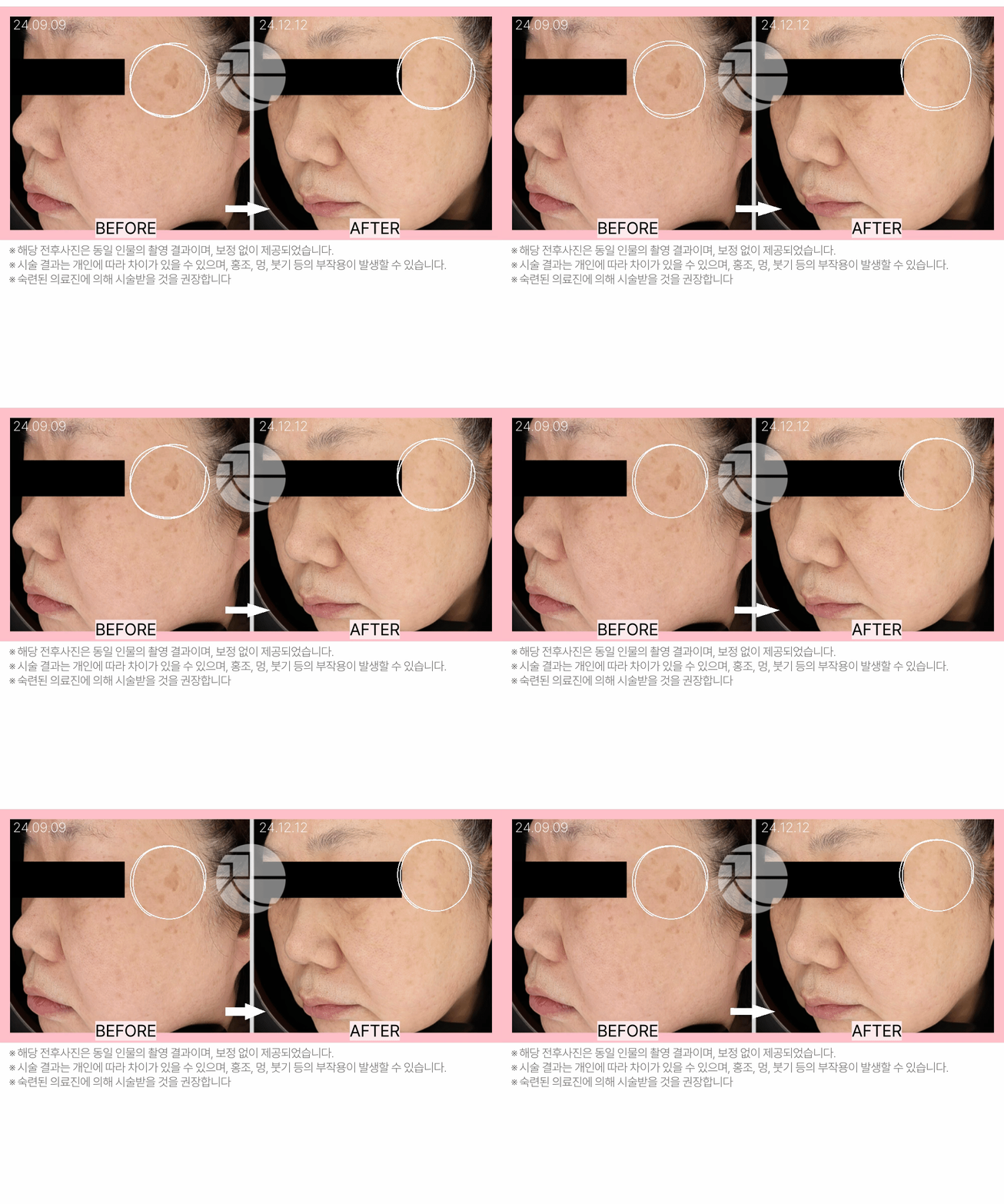
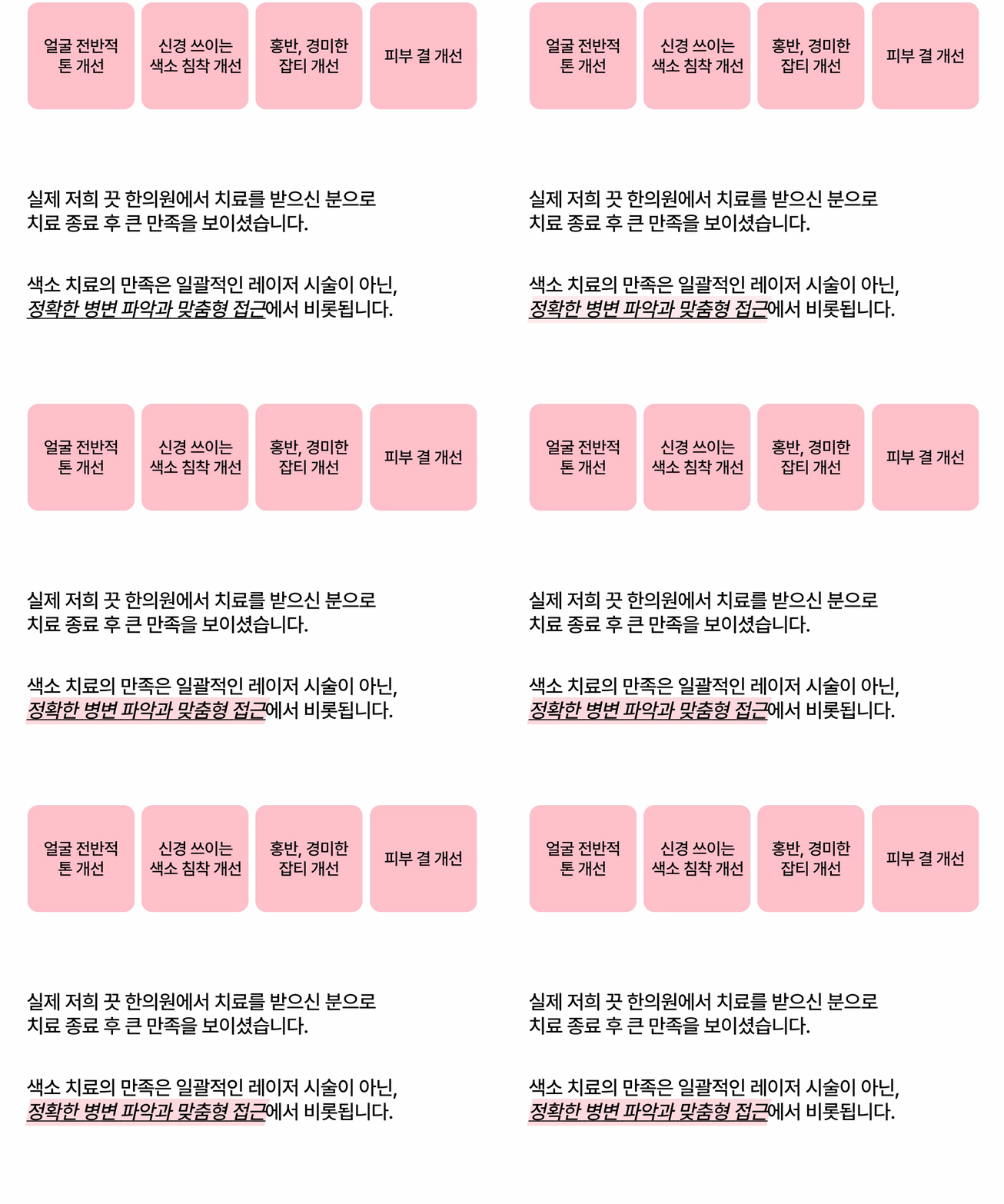





.png%3Falt%3Dmedia%26token%3D125c8e7a-92df-40ea-998c-4ec1844e6ceb&w=1920&q=75)
Features of Kkeut Korean Medicine Clinic's Laser Toning
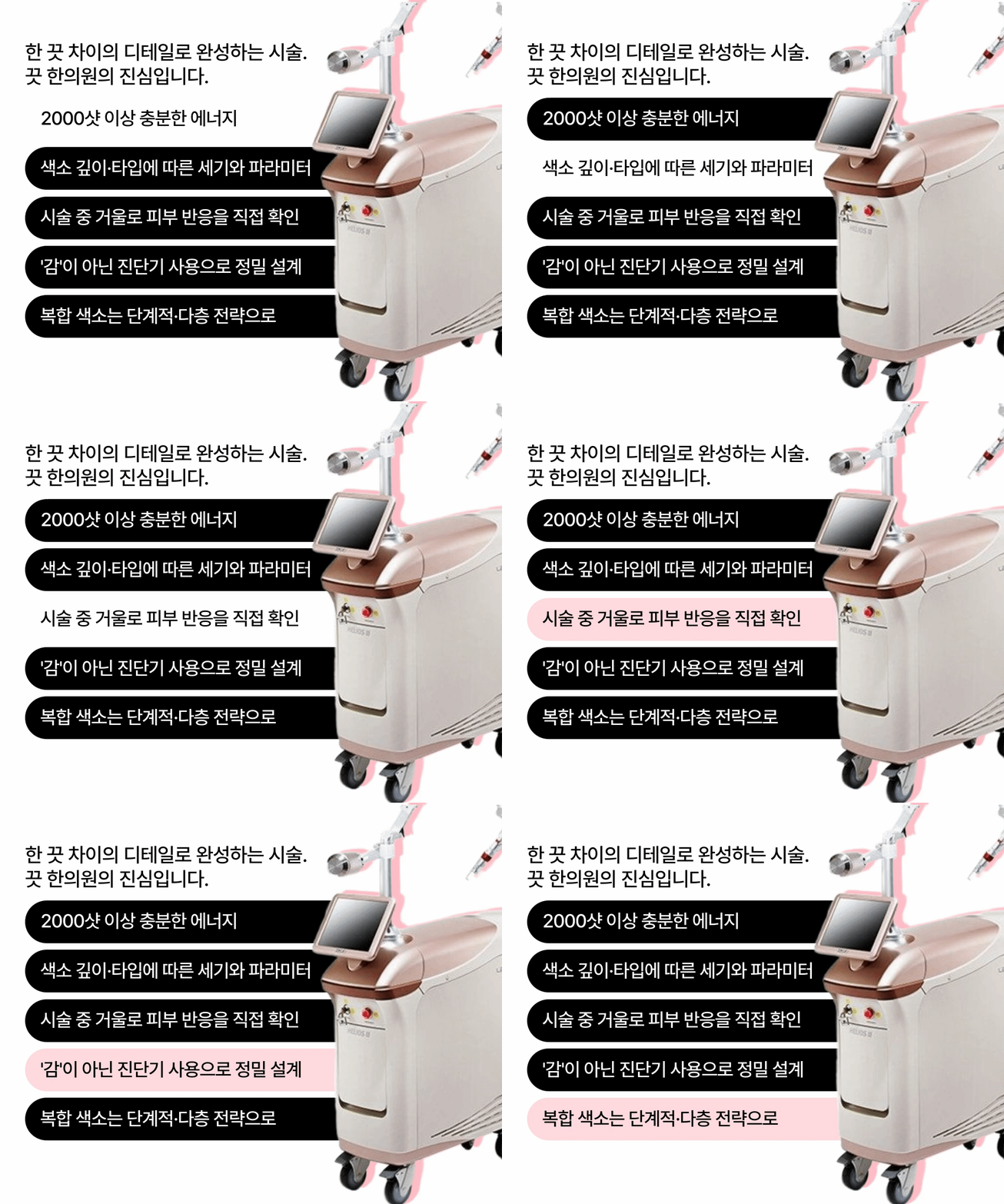
- 1. Utilizes sufficient energy with 'over 2000 shots'. At our clinic, instead of low-power, low-shot treatments, we focus on delicately delivering sufficient energy of over 2000 shots to effectively target pigmentation while minimizing skin irritation.
- 2. Individual intensity adjustment is performed based on 'pigment depth and type'. Different types of pigmentation such as melasma, ABNOM (Acquired Bilateral Nevus of Ota-like Macules), and freckles all have different depths and characteristics. At our clinic, melasma is treated delicately, ABNOM more intensively, and in cases of complex pigmentation, different intensities and parameters are applied per area.
- 3. We combine 'mirror checking and real-time parameter adjustment' during treatment. Instead of simply completing laser irradiation, we design it as a 1:1 customized treatment, checking changes with the patient and aiming for substantial pigment improvement.
- 4. Utilizes the Janus PRO diagnostic device to 'accurately diagnose the location and depth of pigmentation'. Instead of subjective judgment, the Janus PRO diagnostic device precisely analyzes the type, distribution, and depth of pigmentation, and based on this, we establish a personalized treatment plan.
- 5. Applies a multi-layered approach to complex pigmentation problems. If melasma and ABNOM are present simultaneously, applying only one method too strongly can worsen the melasma. At Kkeut Korean Medicine Clinic, we first stabilize the melasma, then use a method that intensively manages ABNOM in the dermal layer.
Principle of Laser Toning
Laser toning is a treatment that delivers low-power laser energy multiple times deep into the skin, gradually breaking down pigmentation and evening out skin tone.
It differs from treatments that remove pigmentation with high power in a single go. This method focuses on consistently providing micro-stimulation to gently break down melanin and aid skin regeneration.
It can be utilized for various pigmentary disorders such as melasma, freckles, and ABNOM (Acquired Bilateral Nevus of Ota-like Macules) without causing excessive skin irritation. It is currently one of the popular pigmentation treatments.
1. Type of Laser Used: Q-switched Nd:YAG
Q-switched Nd:YAG lasers are primarily used for laser toning.
The 1064nm wavelength of this laser can reach the upper dermis where melanin pigment is predominantly distributed. It is advantageous for targeting and destroying only pigmentation without damaging the skin surface.
Because it focuses on pigment removal while also helping to maintain the skin barrier, treatment can be considered even for sensitive or thin skin.
2. 'Skin Tone Improvement' through Low Power and High Repetition
While typical pigment treatments may use strong lasers, laser toning uses a method of irradiating weak energy repeatedly thousands of times.
This approach reduces the burden on skin tissue while gradually breaking down melanin particles, subsequently prompting the body's immune system (macrophages) to absorb and excrete them.
Through this process, you can expect your skin tone to gradually become more even and clearer.
3. Destruction of Melanocyte Dendrites and Melanin Removal
Laser toning not only breaks down pigments but also plays a role in regulating the melanin production pathway itself.
One important aspect of this is the destruction of melanocyte dendrites.
Dendrites act as pathways that transport mature melanosomes (melanin carriers) produced by melanocytes to the outer epidermis of the skin.
If the laser damages these dendrites, melanin carriers cannot migrate to the epidermis, resulting in less pigment deposition on the skin surface.
Furthermore, it can help improve existing hyperpigmentation by directly breaking down the melanin pigment already accumulated within the melanocytes.
This action is known to be a mechanism possible with lasers that have short pulse durations, measured in 'nanoseconds' or 'picoseconds'.
This is one of the important mechanisms of action for treatments such as laser toning or pico toning.
Three Main Action Points of Laser Toning
Three Core Treatment Principles of Laser Toning
Laser toning aims not just to remove pigmentation, but to regulate the entire process from melanin production to its migration.
1. Removal of Already Formed Pigment Particles
For pigmentary lesions other than melasma (such as freckles, ABNOM, etc.), improvement can be expected by breaking down melanin through appropriate parameter settings.
However, melasma can be sensitive to stimulation, requiring careful adjustment. Excessive stimulation can activate melanocytes, so caution is needed.
2. Inhibition of Melanosome Transport by Destroying Dendrites
It helps prevent pigment deposition by blocking melanosomes, produced in pigment cells, from migrating to the epidermal layer.
3. Direct Melanin Breakdown within Melanocytes
The laser directly breaks down melanin pigment present inside melanocytes, contributing to a reduction in melanin concentration and helping to make the skin clearer.
Expected Effects of Laser Toning
- 1. Skin brightening effect: Subtle laser stimulation gently breaks down melanin, leading to a gradual brightening of dull skin.
- 2. Alleviation of melasma and hyperpigmentation: By not over-stimulating melanocytes and selectively destroying melanosomes, it allows for a careful approach to sensitive melasma, attempting to alleviate it.
- 3. Improvement of ABNOM (Acquired Bilateral Nevus of Ota-like Macules): By applying customized intensity that can reach pigmentation deeper than melasma, it can help manage dermal pigmentation while minimizing discomfort.
- 4. Suppress Pigment Production and Recurrence By destroying dendritic myelin, which is the pathway for melanin to move outward, pigment expulsion is reduced. This can help suppress pigment regeneration, thereby lowering the possibility of recurrence.
- 5. Fine Line and Skin Texture Improvement Laser stimulation applied to the skin can promote the overall skin regeneration process. Through this, you can expect the additional effects of smoother skin texture and reduced fine lines.
- 6. Reduced Irritation, Suitable for Sensitive Skin This method involves repeatedly applying low-output laser shots multiple times. Thanks to this, skin irritation is relatively low, allowing even those with sensitive skin to undergo the treatment with less burden.
When Laser Toning is Recommended
- 1. Those with generally dull and uneven skin tone
- 2. Those who frequently experience or have progressively darkening hyperpigmentation such as melasma, blemishes, and freckles
- 3. Those with deeply seated pigments in the dermal layer, such as ABNOM (Acquired Bilateral Nevus of Ota-like Macules)
- 4. Those concerned about pigment treatment due to thin and sensitive skin characteristics
- 5. Those considering both pigment treatment and improvement of fine lines or skin texture
- 6. Those seeking gradual skin changes with less burden on the skin
Laser Toning Procedure Steps
- STEP 1. Precise Skin Diagnosis using Janus PRO Meticulously analyzes the exact depth and distribution of pigments that are difficult to identify with the naked eye.
- STEP 2. 1:1 Direct Consultation with the Director and Customized Treatment Plan Establishment
- STEP 3. Laser Toning Treatment after Setting Individually Optimized Parameters
- STEP 4. Confirmation of Treatment Results and Guidance on Future Progress
Post-Treatment Care Guidelines
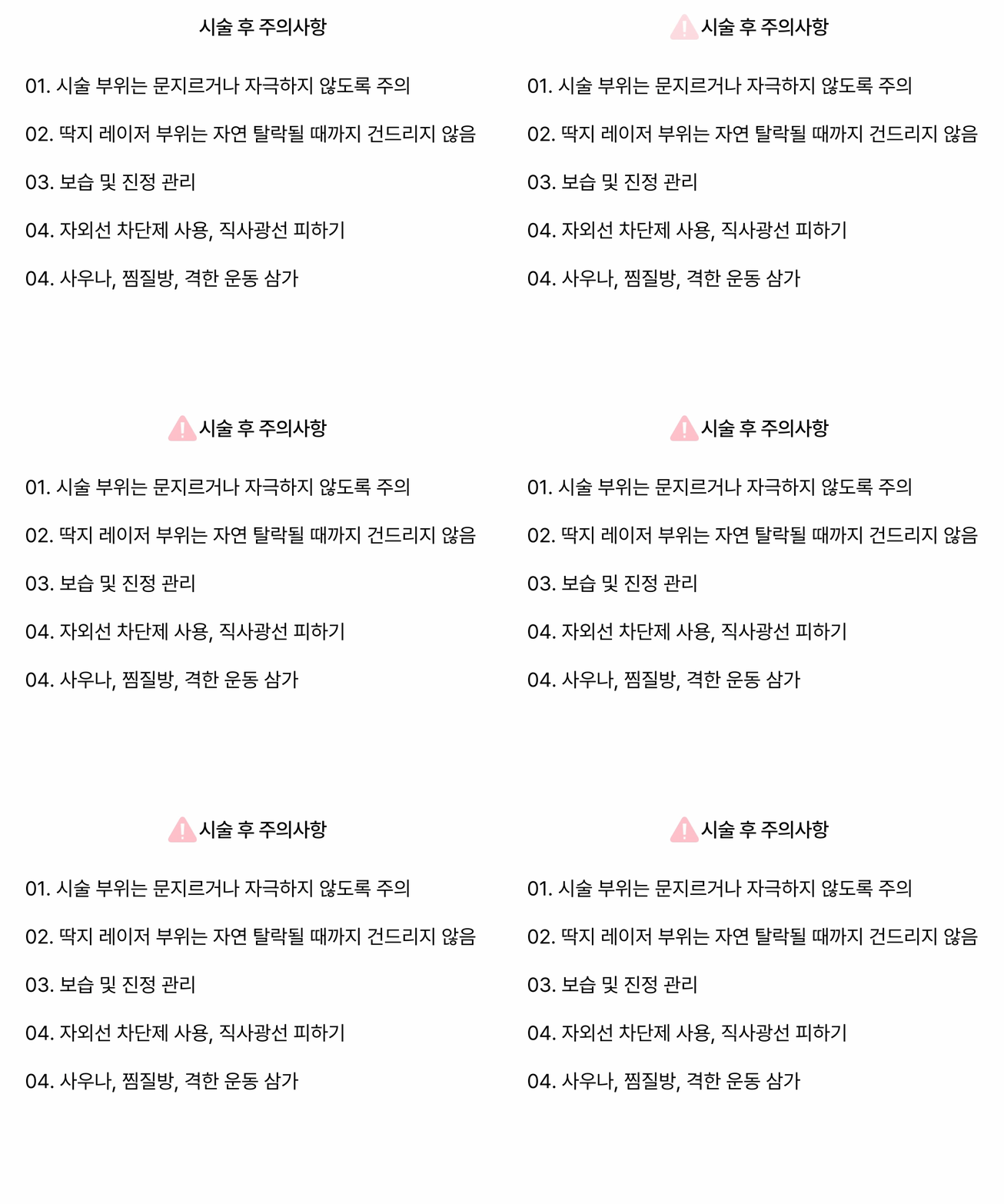
- ㆍFacial cleansing and makeup are possible on the day of the treatment. However, it is especially recommended to pay attention to sun protection.
- ㆍTemporarily irritated skin requires sufficient soothing and moisturizing care.
- ㆍAfter the treatment, temporary swelling or redness may appear, but most symptoms naturally subside over time. If symptoms persist for more than a few days, it is recommended to contact the clinic for guidance.
Pico Toning vs. Laser Toning Comparison
Pico toning theoretically has the advantage of being able to destroy pigments more precisely by using very short laser pulses in picosecond units.
In contrast, laser toning delivers energy in nanosecond units, making the treatment time relatively longer.
Both treatments are based on the principle of selectively destroying melanin pigments. Therefore, they are used for improving various pigmentary disorders such as melasma, blemishes, ABNOM (Acquired Bilateral Nevus of Ota-like Macules), and for brightening skin tone.
Due to the difference in pulse duration, pico toning may show a faster response in the initial 2-3 treatments. However, when treatment is consistently received for 10 or more sessions, both treatment methods are known to exhibit similar whitening effects.
Laser toning is a clinically proven treatment method for approximately 20 years. Especially for sensitive skin or pigmentary disorders that react sensitively to irritation, such as melasma, it can be a relatively stable option.
Pico toning delivers strong energy intensively within a short period, so some patients may experience temporary sensations such as flushing or stinging.
Looking at clinical research results, when comparing the two treatment methods based on the same 1064nm wavelength, there are many reports indicating no significant differences in improvements in skin brightness, reduction in melasma scores, and decrease in melanin index.
So, what conditions are important to achieve similar effects with laser toning as with pico toning?
10 or more repeated treatments: Improvement can be expected through the cumulative effect of the treatments.
Appropriate energy intensity: Must be finely adjusted within the range of 1.0~2.0 J/cm² according to individual skin reaction.
Sufficient number of shots: A minimum of 2,000 shots is recommended for effective results.
Maintain 1-2 week intervals: If the treatment interval becomes too long, the cumulative effect may decrease.
Individualized treatment: It is important to receive treatment from an experienced practitioner who can adjust parameters in real-time according to the individual's skin type and treatment response.
If the conditions presented above are met, considering various research results comprehensively, it can be interpreted that there is no significant difference in effectiveness compared to pico toning.
The contents mentioned above were all written with reference to relevant research papers.
Medicina (Kaunas), 2022, Lasers in Medical Science, 2021, Journal of Cosmetic and Laser Therapy, 2021, etc.
Laser Toning Procedure Process
첫 상담부터 마무리까지의 실제 진행 순서를 확인하세요.
- 01
Skin condition diagnosis and treatment area confirmation: A specialist thoroughly diagnoses the patient's skin, identifies the type and depth of pigmented lesions, and establishes a customized treatment plan. Cleansing and anesthetic cream application: Waste products are removed from the treatment area, and anesthetic cream is applied to minimize pain. (Adjustable according to individual pain sensitivity) Laser toning procedure: Laser is irradiated with set wavelength and energy to selectively destroy pigmented lesions, reduce damage to surrounding tissues, and induce skin improvement. Post-procedure soothing care: Soothing masks or cooling treatments are performed to alleviate skin irritation caused by the procedure and aid in rapid recovery. Aftercare instructions: Detailed explanations for post-procedure care are provided to help with effective recovery and maintenance.
Ideal For
One Fine Difference makes real results.
- KKEUT POINT 01
Recommended for those concerned with various pigmentations such as melasma, freckles, and lentigines. It can be considered for individuals who want to improve an overall dull and dark skin tone, or those seeking treatment for deep pigmented lesions like nevus of Ota or ABNOM (Acquired Bilateral Nevus of Ota-like Macules). It can also be a good choice for those who feel their skin texture is uneven due due to blemishes or spots that are not well covered by makeup.
Q&A
고객님들이 가장 많이 물어보시는 내용을 모았습니다.
What is the recommended frequency and number of laser toning treatments?

Generally, it is advisable to consider receiving consistent treatments at intervals of 1 to 2 weeks for 10 sessions or more. However, this may vary depending on an individual's skin condition and the characteristics of the lesion, so it is best to consult with a specialist to establish an appropriate treatment plan.
Can acne appear after toning treatment?
After toning treatment, temporary acne may occur in some individuals with sensitive skin or activated sebaceous glands. In most cases, it gradually subsides over time, but it is important to be careful not to irritate the treated area and to focus on sufficient moisturizing care. If discomfort persists for more than a week, it is advisable to revisit the clinic to check on the progress.
Does Pico Toning show better results compared to Nano Toning?
Pico Toning is characterized by a short laser irradiation time, but it is known that the clinical effect of pigment improvement is not significantly different from Nano Toning. What's important is the appropriate treatment method and energy adjustment tailored to each individual's skin condition and lesion.
Cautions
Results = Treatment × Aftercare. Please follow the notes below.
It is important to apply sunscreen thoroughly after the procedure, and protect your skin with a hat or other means when outdoors. Alcohol consumption and smoking can slow down skin recovery, so it is advisable to refrain from them for a certain period after the procedure. Scabs or dead skin cells may form on the treated area, but it is best to let them fall off naturally. You may feel dryness, so please apply a rich moisturizing cream frequently to help calm and restore your skin.