


[Precision Analysis] Brightening / Melasma / Redness / Spots[One-Day] Lentigo Laser
![[One-Day] Lentigo Laser](/_next/image?url=https%3A%2F%2Ffirebasestorage.googleapis.com%2Fv0%2Fb%2Fkkeutguro-7e583.firebasestorage.app%2Fo%2Fproducts%252Fsuwon%252Fen%252F1761465480187_05730870-e629-48d5-afa1-b8aa2c73ae5c_004-ezgif.com-png-to-webp-converter__1_.webp%3Falt%3Dmedia%26token%3D5614dc66-086a-43a3-8aad-eab4b2c8374a&w=2048&q=75)
[One-Day] Lentigo Laser
Pain (out of 5): ☆☆☆☆★ Downtime (out of 5): ☆☆☆★★ Quick return to daily life possible! One-day lentigo removal laser for busy modern individuals *Excludes VAT
Options
Treatment Details
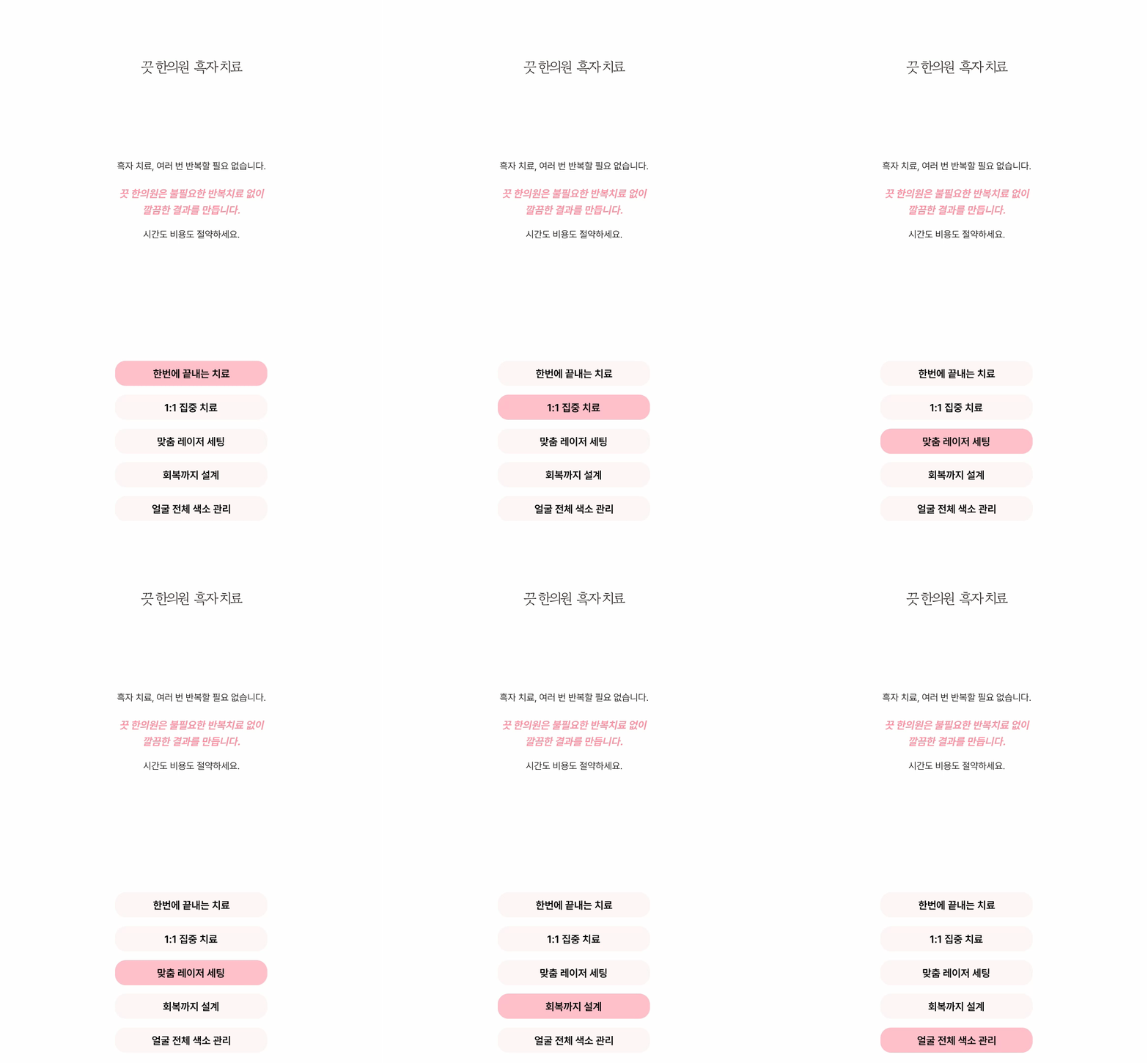

Distinction 1 Lentigo Laser Treatment with Expected Improvement in Just One Session
For lentigo lesions, significant improvement can be expected even with a single treatment session.
Our clinic primarily attempts to remove dark and distinct lentigo lesions by focusing energy with a 532nm Nd:YAG laser.
If necessary, we can secondarily use an Er:YAG laser to further refine any finely remaining pigmentation.
In most cases, sufficient improvement is expected with just one session, and often the process is completed with no more than two sessions.
We strive to reduce unnecessary repetitive treatments and achieve effective improvement in a relatively short period through precise diagnosis and customized planning.
You can expect an improved appearance through our lentigo treatment, but since treatment results can vary individually, it is recommended to decide after consulting with a specialist.
Distinction 2 Effort for Meticulous Care
Our clinic places great importance on the completeness of treatments and limits the number of patients seen per doctor per day.
This number is adjusted to about 1/3 the level compared to other institutions in the same field. We established this policy to dedicate more sufficient time and focus to each patient.
This treatment system enables meticulous explanations and personalized plan development at every stage, from consultation to treatment and aftercare. It also allows us to carefully observe and respond to each patient's skin condition and treatment reactions.
Through this, we expect to enhance the precision of treatments and contribute to improving patient satisfaction. This is not merely repetitive treatment, but a considerate approach to care.
Our clinic focuses on improving the skin condition of individual patients rather than being constrained by consultation times. This stems from our commitment to doing our best for each and every patient.
Distinction 3 Personalized Treatment Settings
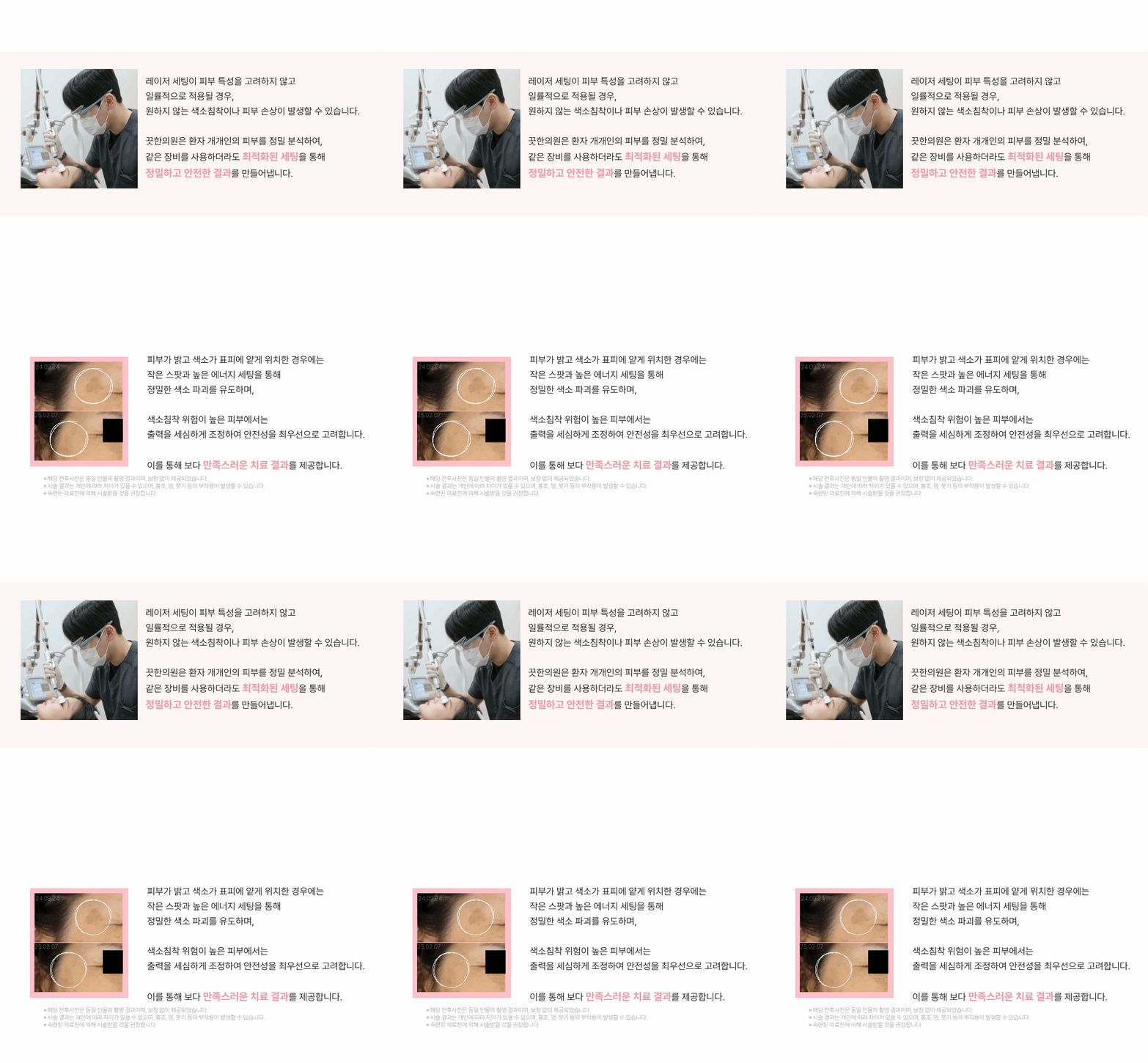
We comprehensively consider the patient's skin tone, the size and depth of the lesion, and skin sensitivity to adjust the laser's spot size, pulse energy, and fluence values.
For example, for individuals with fair skin and shallow pigmented lesions, precise irradiation can be performed with a small spot size and appropriately high energy. Conversely, for skin prone to hyperpigmentation, we approach by finely adjusting output values to reduce the risk of side effects.
Such meticulous treatment settings can enhance the precision of the procedure, even when using the same laser equipment, contributing to overall satisfaction, and
are a crucial factor in treatment outcomes.
Distinction 4 Post-Treatment Aftercare Plan
As the 532nm laser typically results in a quick response at the treatment site, temporary scabs or redness may appear after the procedure. Therefore, it is highly recommended to pay special attention to skin regeneration management and UV protection.
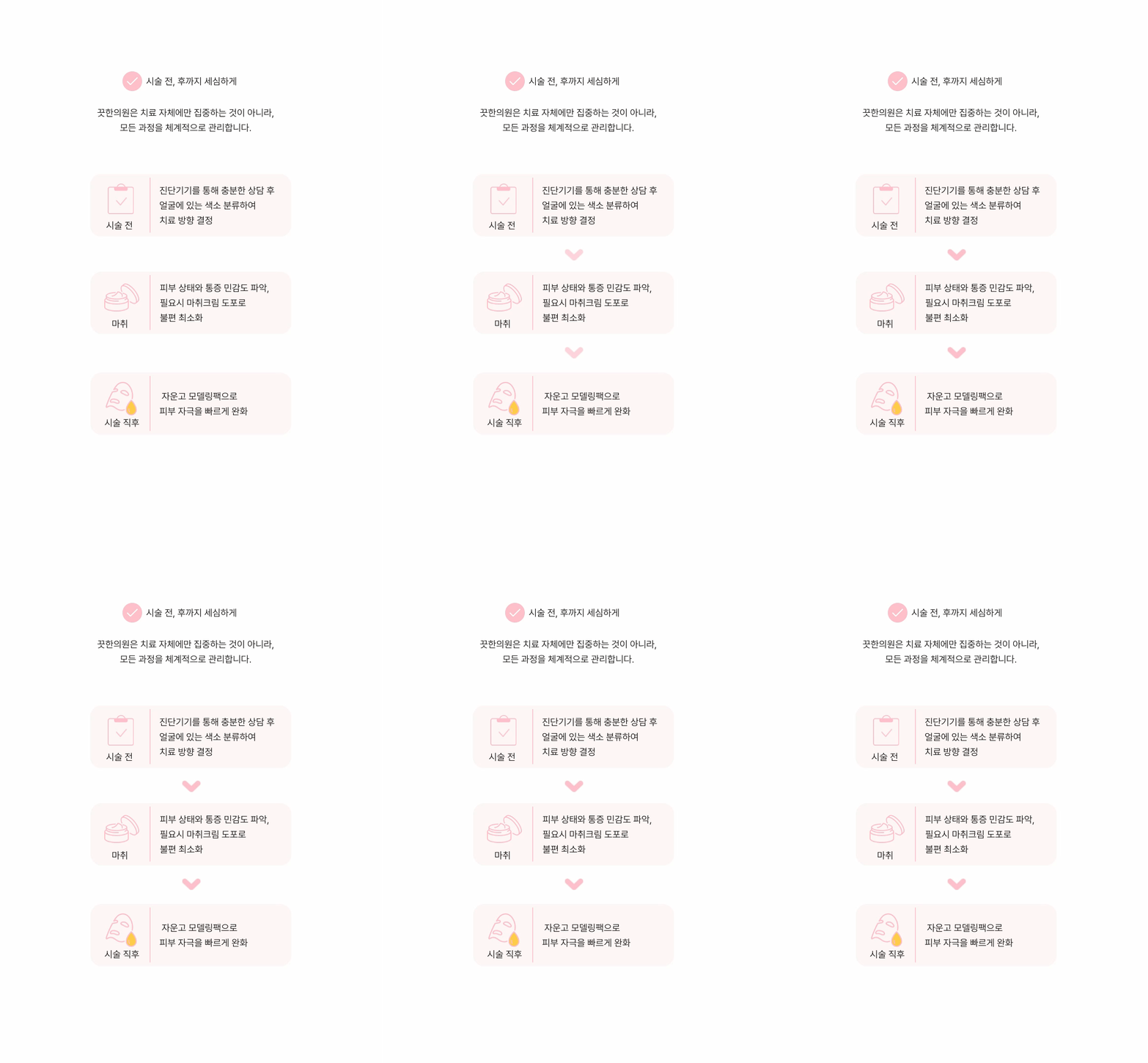
When undergoing 532nm laser or secondary Er:YAG laser treatment, the degree of pain felt may vary for each individual. Therefore, we discuss and decide on the necessity of applying anesthetic cream during a pre-treatment consultation, and after the procedure, we soothe the skin with cooling treatment and a Jaungo modeling pack.
Additionally, our clinic provides Duoderm to aid recovery and protect against UV radiation after the treatment.
Distinction 5 Integrated Management Treatment for Overall Pigmentation
Most patients visit for lentigo removal, but often they also have dermal pigmented lesions such as melasma.
While focusing solely on lentigo treatment is one approach, we understand that many individuals wish to improve overall blotchy-looking pigmentation.
Therefore, we thoroughly consult with the patient, utilizing diagnostic equipment, and meticulously classify all pigmented lesions on the face. Subsequently, the treatment direction is carefully determined: whether to target only epidermal pigmentation or to manage overall pigmentation comprehensively.
Through this, we help you achieve a more improved skin tone.
Causes of Lentigo Formation
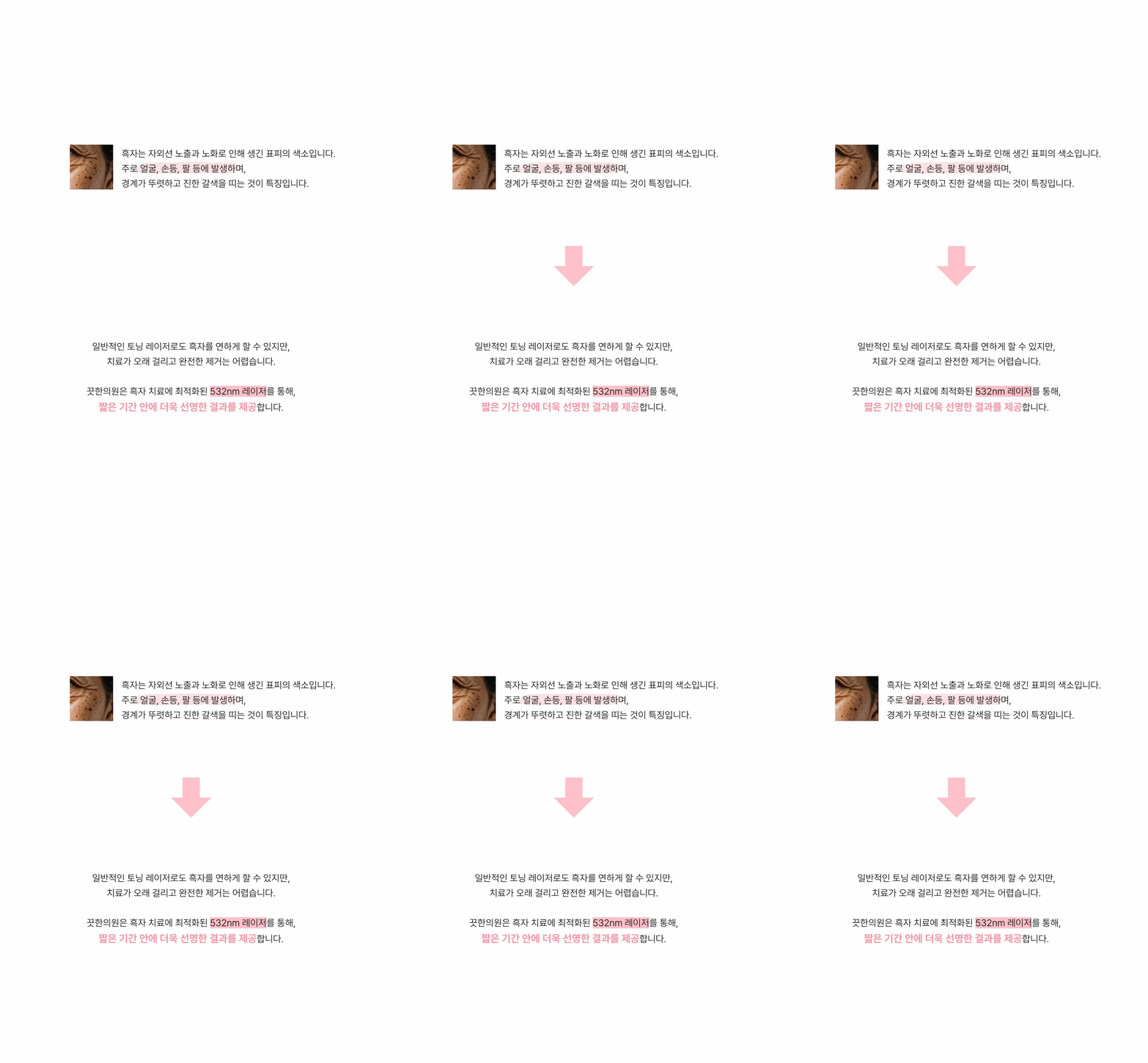
Solar Lentigo is typically a flat, brown pigmented lesion that develops from sun exposure and the skin aging process.
It is caused by the excessive accumulation of melanin pigment in specific areas due to overactive melanocytes.
Continuous exposure to UV radiation consistently triggers melanin production, and
as the skin ages, its regenerative capacity and ability to process pigment diminish, leading to a tendency for lesions to gradually darken and widen.
They are primarily observed on the face, back of the hands, and arms, typically characterized by relatively clear borders and a dark brown color.
Histological Location of Lentigo
Lentigo (solar lentigo) mainly appears confined to the epidermis, the outermost layer of the skin.
Specifically, melanocytes in the basal layer of the epidermis overreact to UV stimulation,
resulting in the concentrated accumulation of melanin pigment in specific areas.
Pathological biopsy results show that it does not penetrate into the dermis, with excessive melanin pigment deposited within the epidermis.
Compared to surrounding normal skin tissue, the lesion's borders are observed to be relatively clear.
For these reasons, it is a lesion that can be expected to respond well to laser treatments primarily targeting epidermal pigmentation, such as Q-switched 532nm.
These lesions are distinct from melasma or other complex pigmentary disorders that are deeply rooted in the dermal layer.
Characteristics of 532nm Wavelength
The 532nm green wavelength, which is effectively absorbed by melanin pigment, primarily targets pigmented lesions that appear on the epidermis, the outermost layer of the skin.
Typically, 532nm lasers utilize a Q-switched method. This method instantly emits high energy in very short nanosecond pulses, selectively destroying only pigment particles while minimizing damage to surrounding tissues.
Melanin selectively absorbs these short laser pulses, which in turn converts into thermal energy and simultaneously generates photomechanical shock. Through this process, melanin particles are finely broken down.
Some of these fragmented pigment particles form microscopic scabs and naturally fall off, while the remaining parts are processed by macrophages in the body and gradually expelled through the lymphatic system.
As the destroyed pigment is gradually eliminated, one can expect to see changes such as the visible lentigo fading or improving.
Kkeut Clinic's Lentigo Management
While lentigo laser treatment uses one of the useful wavelengths for managing lentigo lesions,
the outcome of the treatment is not solely determined by simply selecting a specific wavelength.
A comprehensive treatment plan must be established, including a precise diagnosis of the patient's skin condition and customized settings.
Only when these processes are accompanied can better results be expected.
Procedure Steps
첫 상담부터 마무리까지의 실제 진행 순서를 확인하세요.
- 01
Through a consultation with a specialist, we precisely diagnose your skin condition and lentigo lesions. We then establish a personalized treatment plan and explain any questions you may have. We cleanse the treatment area thoroughly and, if necessary, apply anesthetic cream to minimize discomfort. The lentigo laser procedure is performed, with care taken to ensure minimal discomfort during the treatment. After the procedure, we provide skin soothing care and guide you on precautions for recovery.
Ideal For
One Fine Difference makes real results.
- KKEUT POINT 01
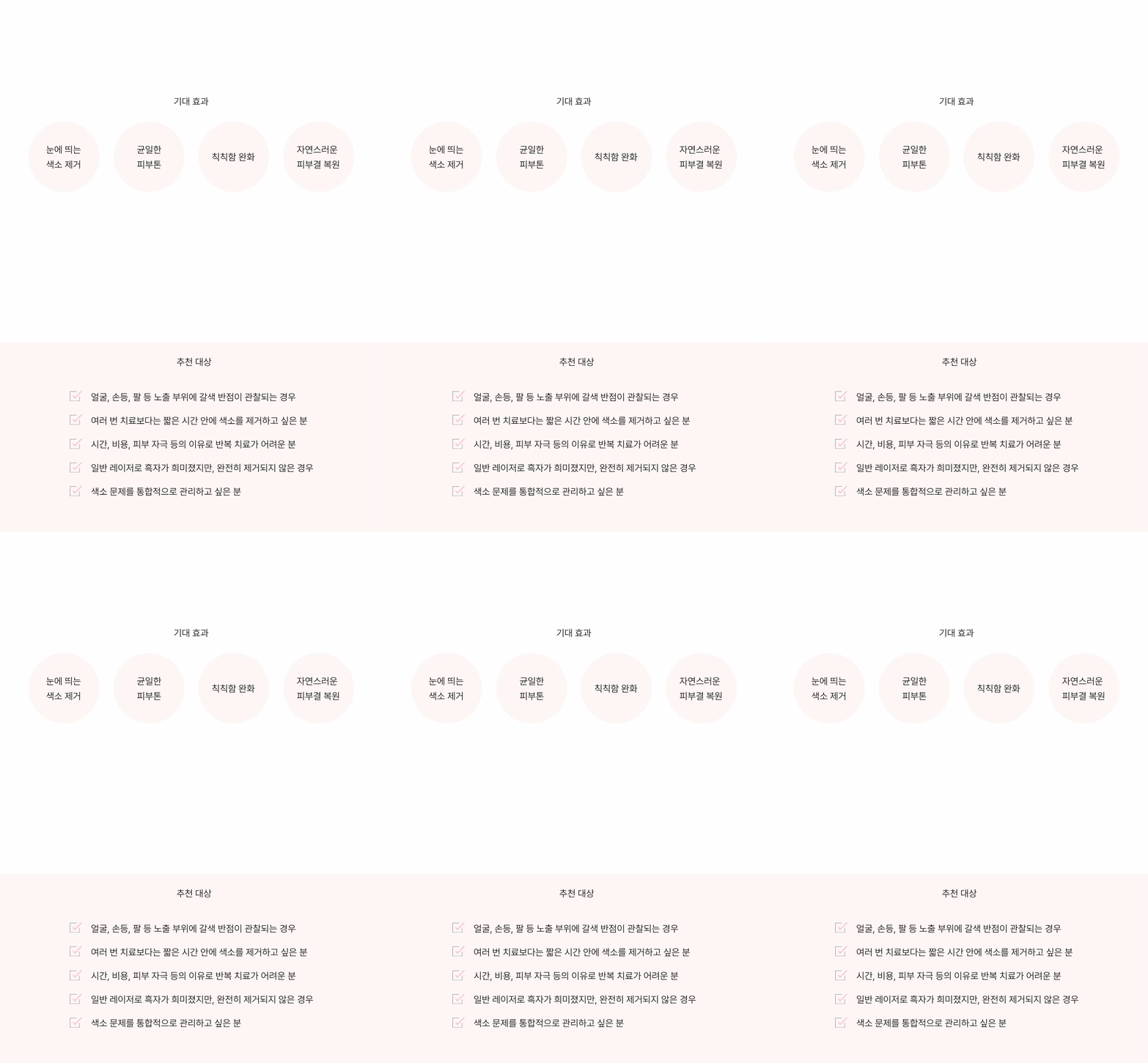
Those concerned about lentigo lesions on the face or body. Those who desire short treatment times and relatively quick recovery. Those wishing to improve dark pigmentation.
Q&A
고객님들이 가장 많이 물어보시는 내용을 모았습니다.
What is the typical treatment interval?

Considering the skin's recovery and the improvement process of hyperpigmentation, the next treatment is generally considered after an interval of about 3 to 4 weeks.
How many sessions of lentigo treatment are typically required?
Based on 532nm wavelength laser treatment, changes in which the lesions lighten can often be observed with just 1 to 2 sessions. However, please note that depending on the patient's skin type, the depth and distribution of lentigo, and typical sun exposure, more than 2 to 3 sessions may be required. Individual differences may occur.
Cautions
Results = Treatment × Aftercare. Please follow the notes below.
After the procedure, the treated area may become red or peel, but this is a natural reaction, so please be assured. Applying sunscreen thoroughly is important for preventing hyperpigmentation, and it's best to avoid irritating facial washes or exfoliation. If scabs form on the treated area, do not forcibly remove them; it is advisable to let them fall off naturally. If discomfort persists or unusual symptoms appear, please contact the clinic.