


[Stubble-Free] Laser Hair Removal[For skin that perfectly adheres to makeup] Vellus Hair Laser Hair Removal
![[For skin that perfectly adheres to makeup] Vellus Hair Laser Hair Removal](/_next/image?url=https%3A%2F%2Ffirebasestorage.googleapis.com%2Fv0%2Fb%2Fkkeutguro-7e583.firebasestorage.app%2Fo%2Fproducts%252Fsuwon%252Fen%252F1761464851778_dc5331c5-0bad-4bb8-963f-b40714a7d826_004-copy-2-ezgif.com-png-to-webp-converter.webp%3Falt%3Dmedia%26token%3D86c4c689-361e-4e30-acd1-c9f72d946b34&w=2048&q=75)
[For skin that perfectly adheres to makeup] Vellus Hair Laser Hair Removal
The biggest reason foundation floats or cakes is due to the invisible vellus hair on your skin. KKEUT Clinic uses Clarity2 or Apogee Plus equipment to perform low-irritation laser hair removal. With low-irritation laser hair removal, we smooth out your skin texture and help achieve more even pores and tone. We transform your face from one where makeup 'slides off' to one where it 'adheres' perfectly, creating a noticeable difference in your skin's expression. *VAT separate *The price for one session of any hair removal treatment is 34.5% of the 5-session package price.
Options
Hair Removal Areas
※ Click a treatment area to see its range.
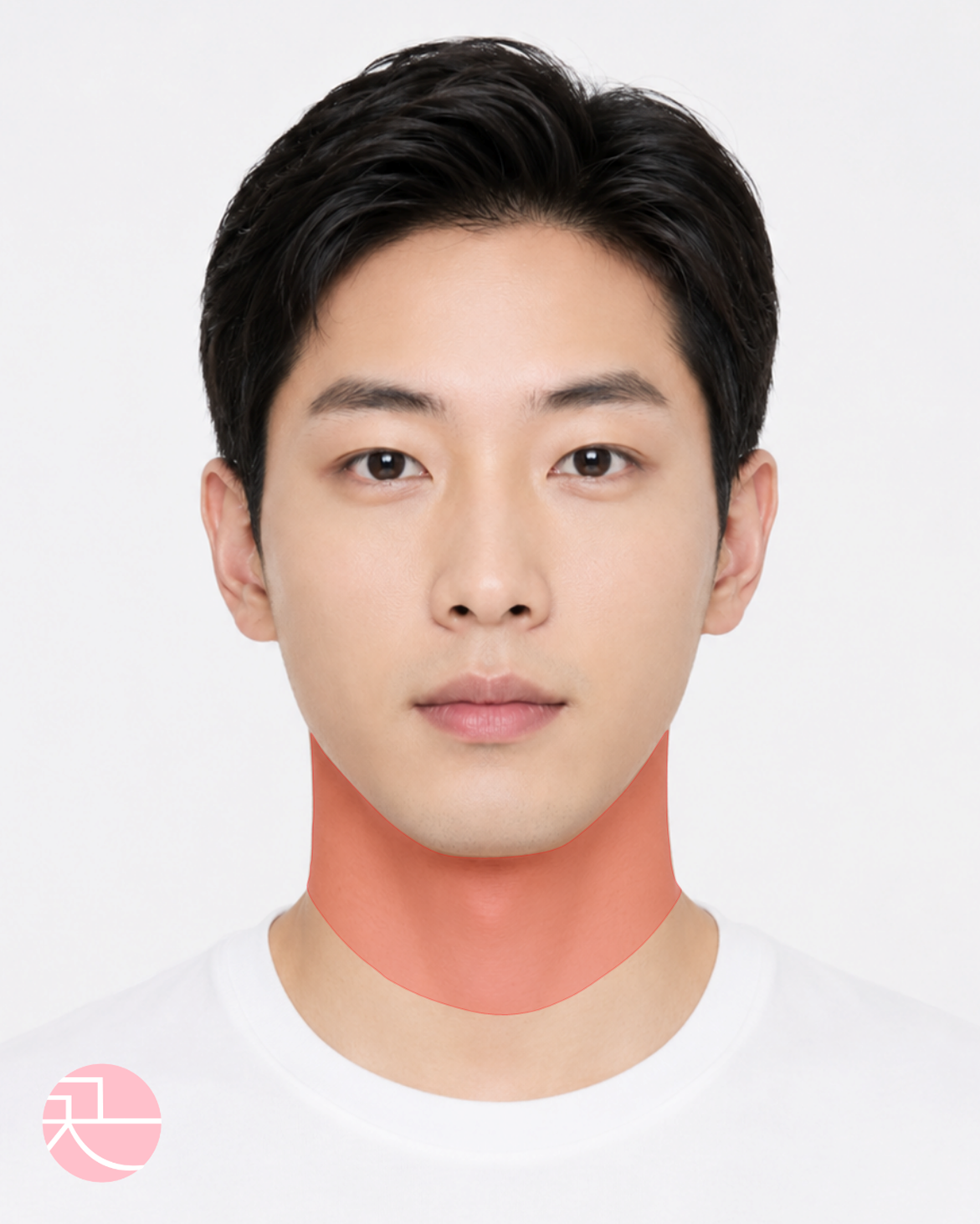
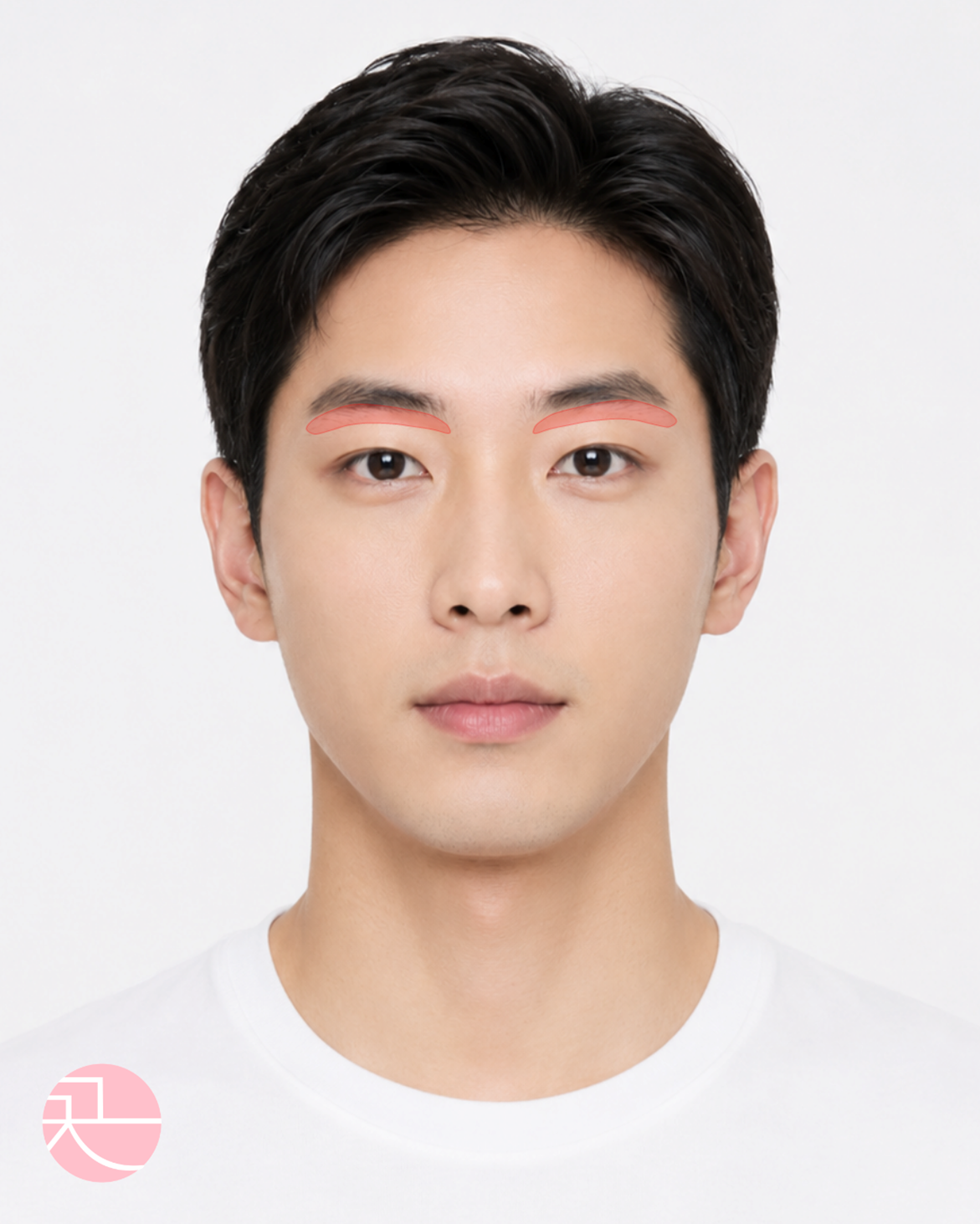
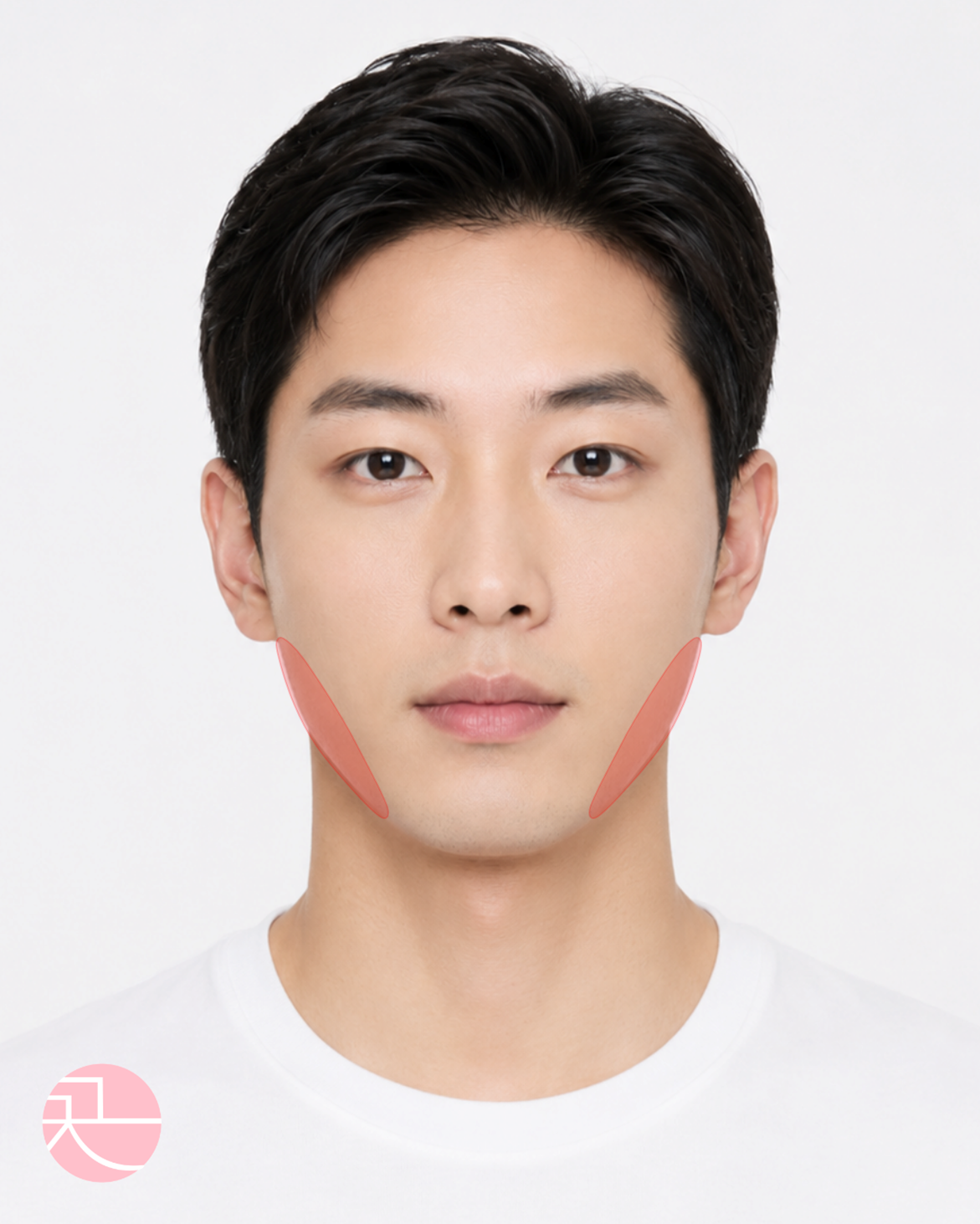
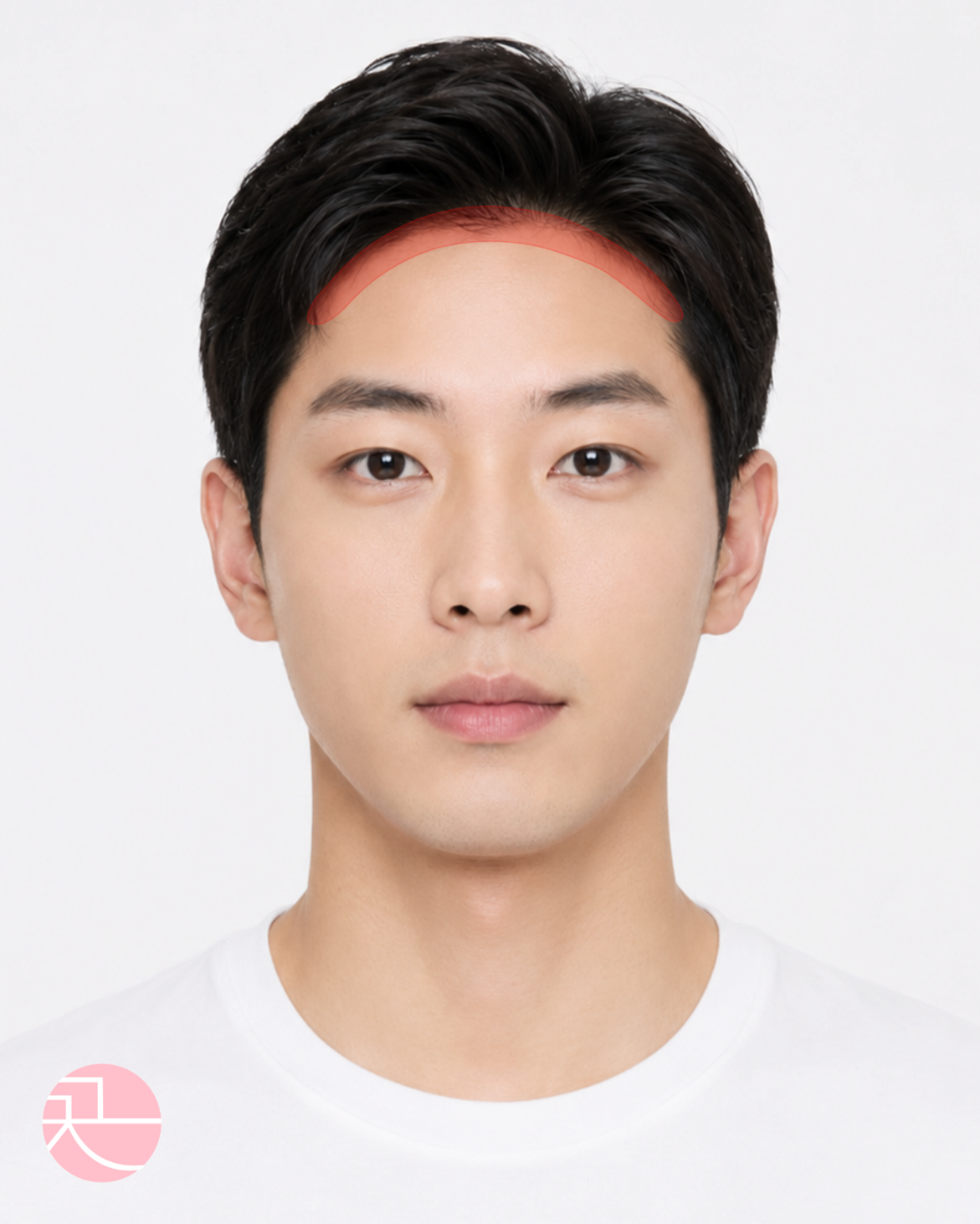
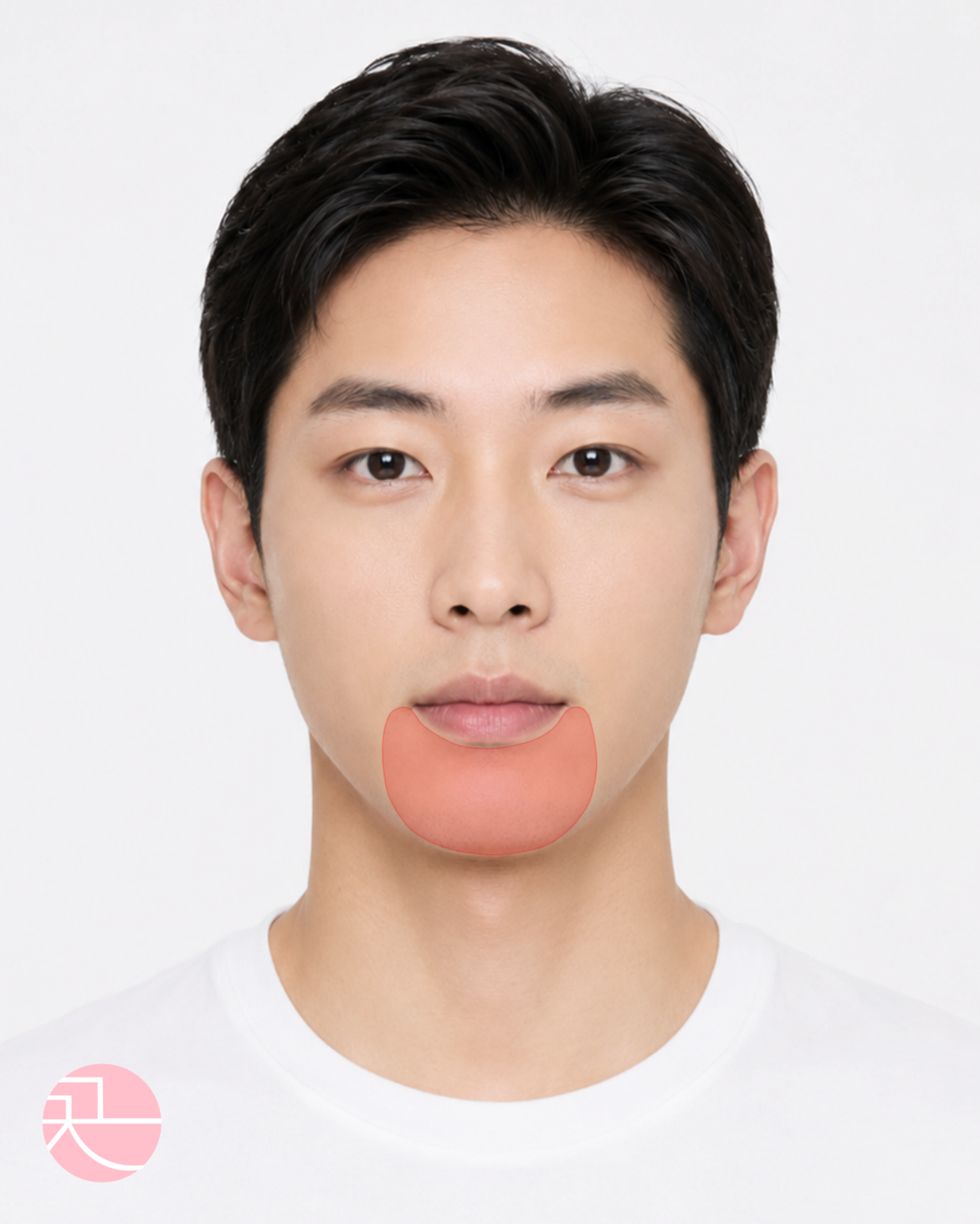
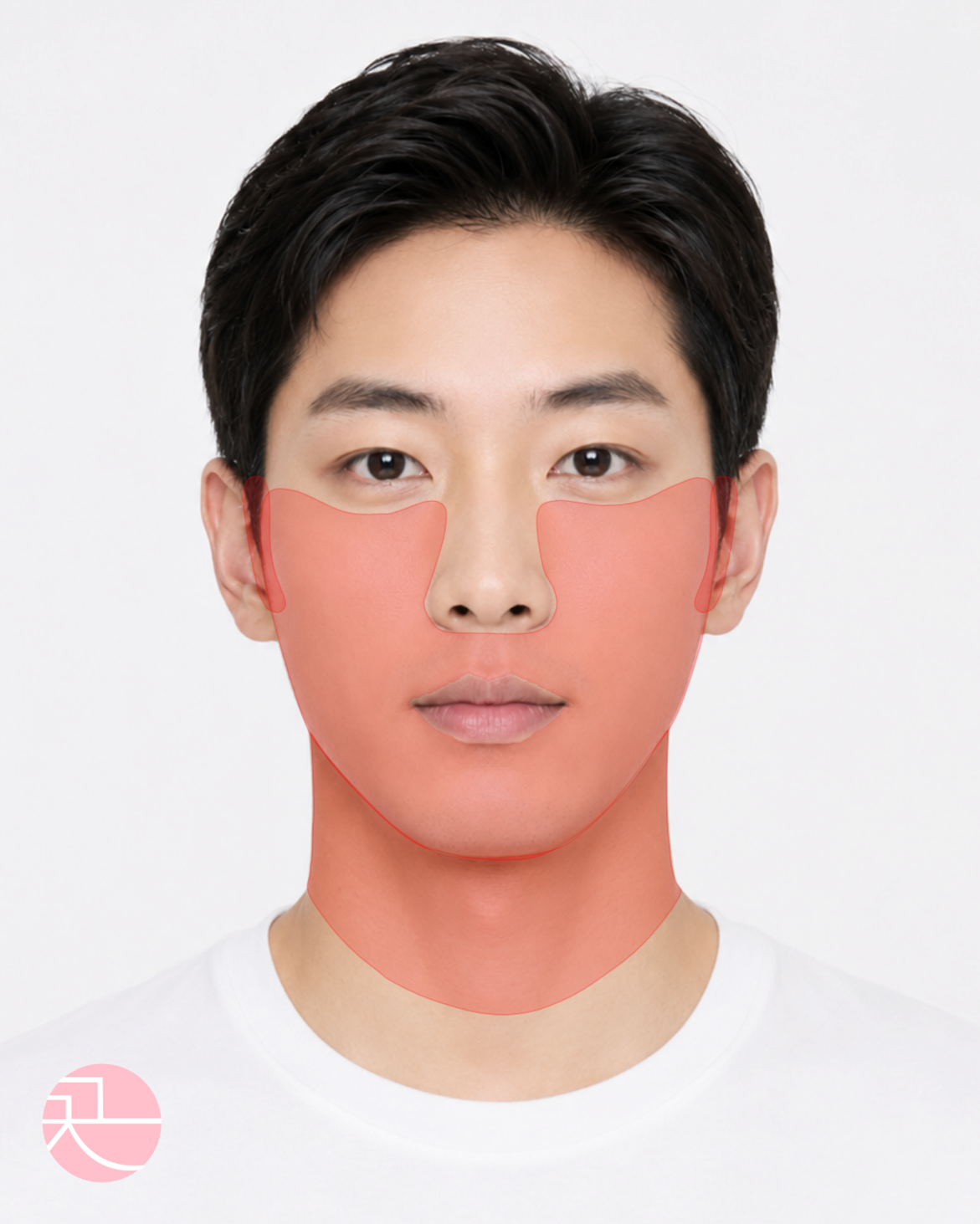

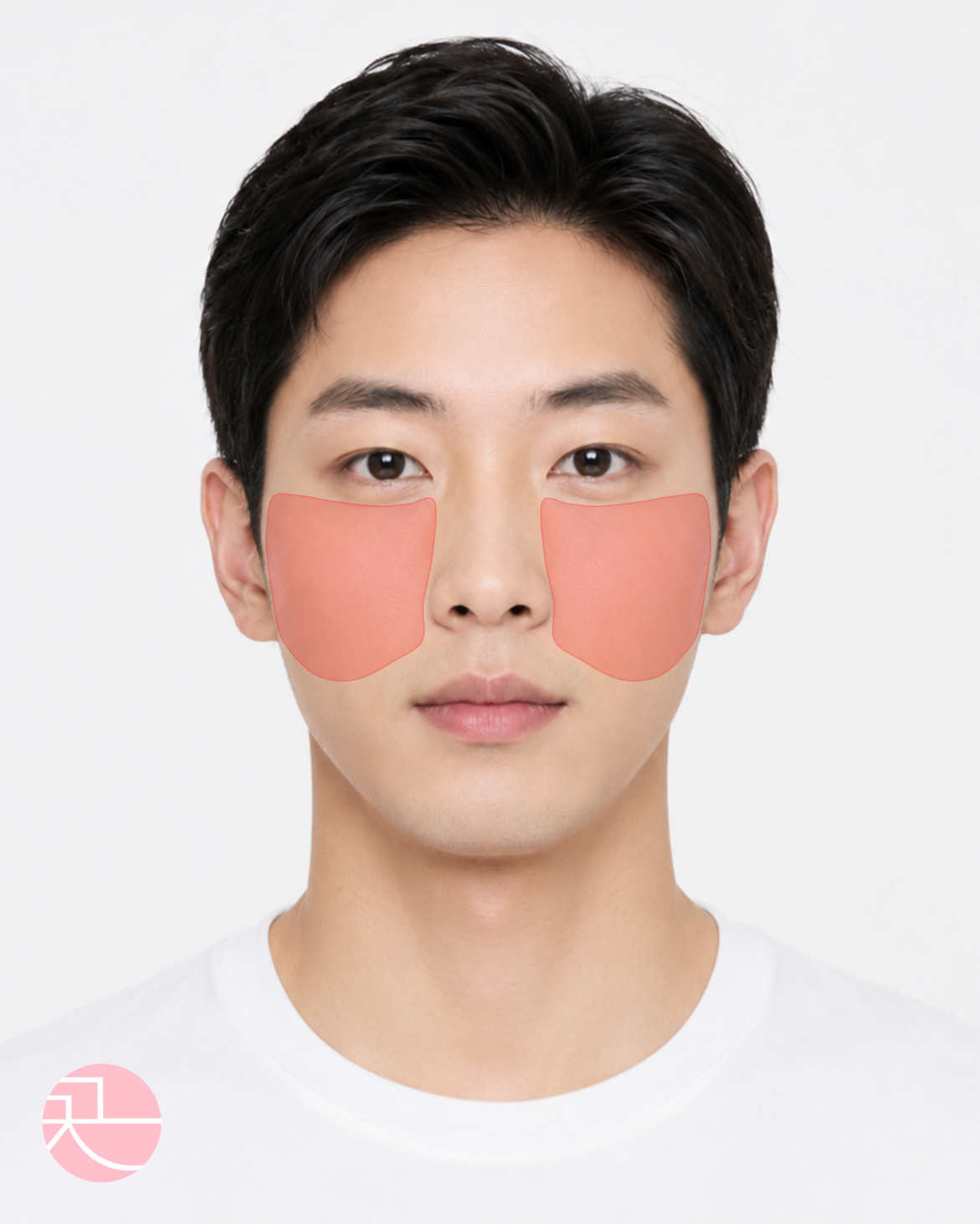
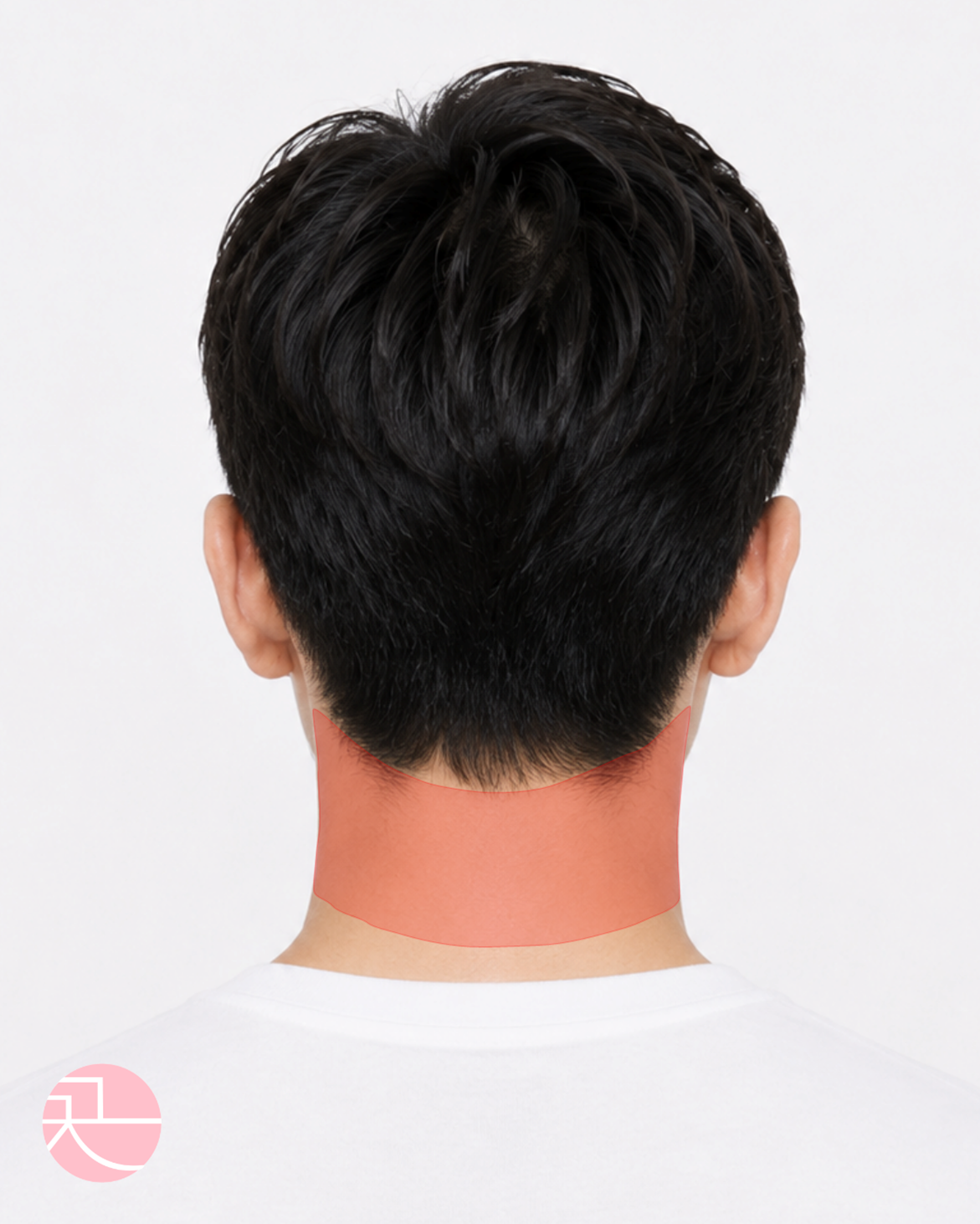
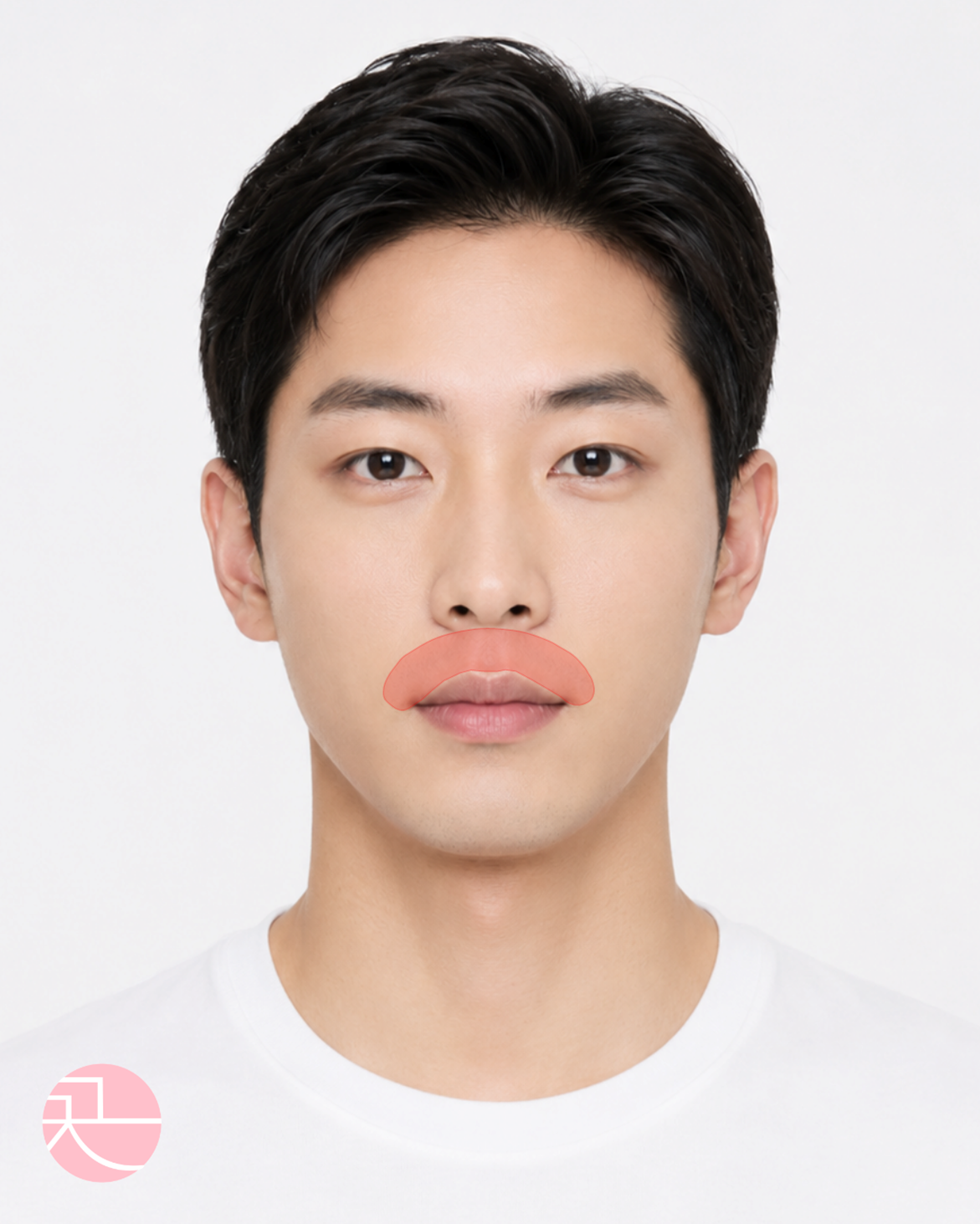
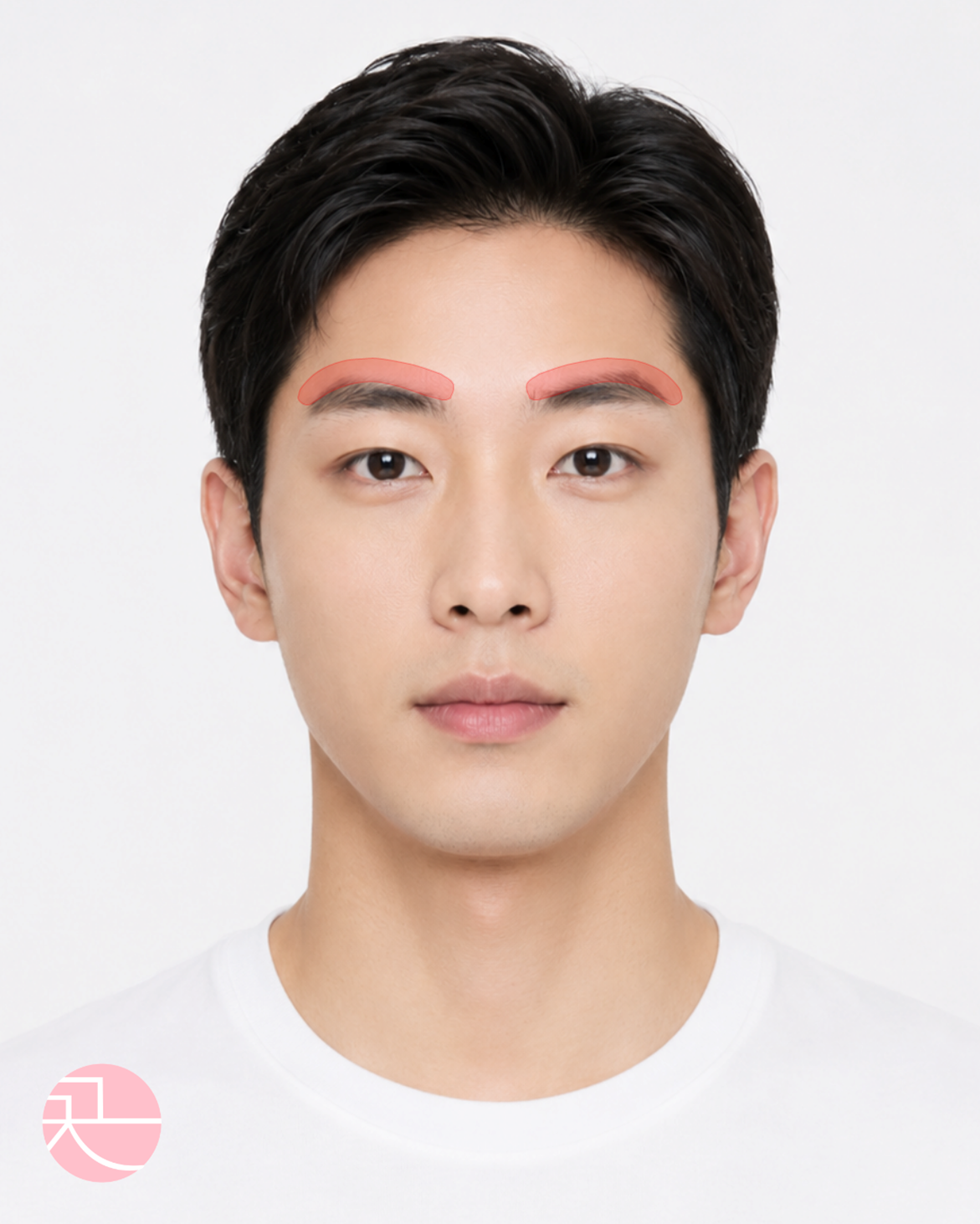
Treatment Details



Features of Dewy Vellus Hair Removal
1. This procedure goes beyond vellus hair removal, focusing on overall skin appearance improvement.
Even fine, barely noticeable vellus hairs,
can reduce makeup adherence and make the skin texture look dull.
Our vellus hair removal treatment
aims to go beyond simple hair removal, creating skin that allows makeup to adhere well and has a natural, radiant glow.
2. You can expect to see vellus hairs respond immediately to laser irradiation and disappear.
When laser energy is precisely delivered to vellus hairs,
the hairs subtly change due to thermal denaturation, and you can feel your skin become noticeably smoother immediately after the treatment.
Therefore, you can immediately experience a difference in makeup adherence with just one treatment.
If you consistently receive about 5 treatments, you can expect the hair growth rate to significantly slow down or almost cease,
and it can help maintain skin that is consistently receptive to makeup.
3. Face-specific safety settings to reduce the possibility of hyperpigmentation and folliculitis
Key Equipment: Apogee+
It uses a 755nm Alexandrite wavelength, with output adjusted to suit facial skin characteristics.
Key Equipment: Clarity2
The procedure uses a 755nm Alexandrite wavelength with precise output settings customized for each individual's face.
The cooling system and the irradiation speed and depth are precisely controlled to contribute to a more stable hair removal procedure.
These are delicately adjusted laser settings to help reduce concerns about the procedure, even for those with sensitive skin.
5. In addition to immediate smoothness, repeated treatments can lead to improved skin texture and radiance.
Even with just one treatment, you can experience a feeling of better makeup adherence and improved skin texture.
After consistently receiving 5 or more treatments, the light reflection angle of the skin surface improves,
and you can expect the effect of natural radiance and increased translucency in your skin.
Thereafter, receiving maintenance treatments every 2-3 months
can help you maintain clean and refined skin for a long time.
Why Laser Treatment is Necessary for Vellus Hair Removal
Fine vellus hairs, which contain less melanin pigment, can be difficult to remove with conventional methods like shaving or waxing. These methods primarily address only the hair on the skin surface, leading to rapid regrowth and potentially increasing the likelihood of skin troubles or folliculitis due to repeated irritation.
In contrast, laser hair removal focuses specific wavelengths of light energy on the melanin pigment in the hair follicles, generating heat. This heat can help to inhibit follicular function and delay hair regrowth. Especially for delicate areas like the face, short-wavelength lasers that can reduce skin irritation, such as Alexandrite lasers, are considered for vellus hair removal.
Clarity2 and Apogee+ devices utilize a 755nm Alexandrite wavelength, which has a high melanin absorption rate. This can help to precisely deliver energy to even light and fine vellus hairs for removal.
A powerful cooling system works concurrently to reduce skin irritation and ensure energy is delivered precisely to the hair. This allows for a comfortable treatment experience.
Vellus Hair Removal Procedure
- Application of Anesthetic Cream (Optional): Anesthetic cream can be used to reduce discomfort, depending on individual skin condition and pain sensitivity.
- Laser Irradiation: A wide area is quickly treated with appropriate intensity to minimize unnecessary heat accumulation and delicately remove vellus hair.
- Cooling and Skin Soothing: Consistent cooling management is applied before, during, and after the treatment to stabilize the skin and alleviate irritation.
Recommended Treatment Cycle
Hair grows through three phases: anagen (growth), catagen (transition), and telogen (resting). Laser hair removal treatments are most effective when energy is delivered to hairs in the anagen phase.
For this reason, it is generally recommended to receive 5 or more treatments at intervals of 3-4 weeks. Thereafter, having maintenance treatments approximately once every 3 months can help consistently manage the improved skin condition.
Q&A
고객님들이 가장 많이 물어보시는 내용을 모았습니다.
What should I do if folliculitis occurs after laser hair removal?

If folliculitis appears after laser hair removal, you might worry if there was an issue with the procedure. However, folliculitis is one of the natural inflammatory responses that can temporarily occur as heat is transferred to the skin and an immune reaction takes place. This is more about how our body reacts rather than a defect in the procedure itself. In fact, self-hair removal methods like shaving or waxing can directly irritate hair follicles or damage the skin's protective barrier, potentially increasing the risk of folliculitis. Laser hair removal is performed hygienically, and consistent treatments can help reduce the overall number of hair removal sessions and irritation, thereby lowering the possibility of folliculitis. Of course, after the procedure, proper aftercare is crucial, including soothing the skin and, if necessary, using antibiotic ointment. Our clinic meticulously checks skin conditions before and after laser hair removal and provides detailed guidance on folliculitis prevention. Therefore, if you experience any discomfort after the procedure, please feel free to contact us at any time.